
Tromsø's whale season generally runs from early November through late January, with the strongest odds tending to fall between mid-November and early January. Orcas and humpback whales are the two species you can count on. Most tours now travel north toward Skjervøy and Kvænangen, where herring gather in winter, so expect a full day rather than a quick harbor cruise.
TL;DR:
- Most whale sightings occur between mid-November and early January when herring density peaks, with orcas and humpbacks being the most reliable species.
- Due to shifting feeding grounds, whale tours now typically involve 2 to 3 hours of transit and extend to full-day trips of 6 to 12 hours depending on the itinerary.
- Flexible, private excursions that adapt to real-time whale reports and weather improve observation chances and reduce wasted travel time.
- Weather and changing whale locations mean sightings are unpredictable; many operators offer rebooking policies or whale passes rather than guarantees.
- Proper packing, including warm layers, seasickness medication, and quick-access batteries, is essential for safety and photography during low-light polar night conditions.
Table of Contents
- When Is Whale Season in Tromsø, and When Should You Go?
- Where Do the Whales Feed, and Why Does It Matter for Your Trip?
- What Tour Options Exist, and How Long Do They Actually Take?
- What Does Daylight Look Like During Polar Night, and How Do You Photograph Whales in It?
- How Do You Choose and Book the Right Tour?
- What Should You Pack, and What Safety Basics Matter?
- Why Do Sightings Vary, and What Happens If You Don't See Whales?
- Crystal Sky Venture's Approach to Arctic Wildlife
- Understanding Whale-Watching Guarantees and Rebooking Policies
- A Guide's Perspective: Reading the Water During Whale Season
- Planning a Whale-Season Trip? Here's a More Flexible Way to Do It
- Sources
When Is Whale Season in Tromsø, and When Should You Go?
The season window is consistent year to year: whales follow herring into the fjords north of Tromsø from the start of November through the end of January. Inside that window, the sweet spot narrows further. Mid-November through early January tends to produce the most consistent sightings, largely because that's when herring density in the feeding grounds peaks and whales settle into a predictable feeding pattern rather than chasing scattered bait balls.
Two species anchor the season:
- Orcas show up with real regularity during herring-driven winters. They're highly adaptable predators that follow prey concentrations and often form large, cooperative feeding groups that make for dramatic viewing, sometimes a dozen or more animals working a herring ball together.
- Humpback whales are the other reliable sighting. They travel to these high-latitude waters specifically to gorge on dense herring shoals, and their local numbers shift depending on how much herring is actually present in a given year.
Fin whales and sperm whales have turned up in recent seasons too, but they're the exception, not something to plan a trip around. If an operator promises fin whale sightings as a selling point, treat that as a bonus scenario rather than an expectation.
The underlying driver for all of this is herring. When the herring move, the whales move with them, and that single fact explains almost everything else about how this season actually works, including where you'll be spending your day.
Where Do the Whales Feed, and Why Does It Matter for Your Trip?
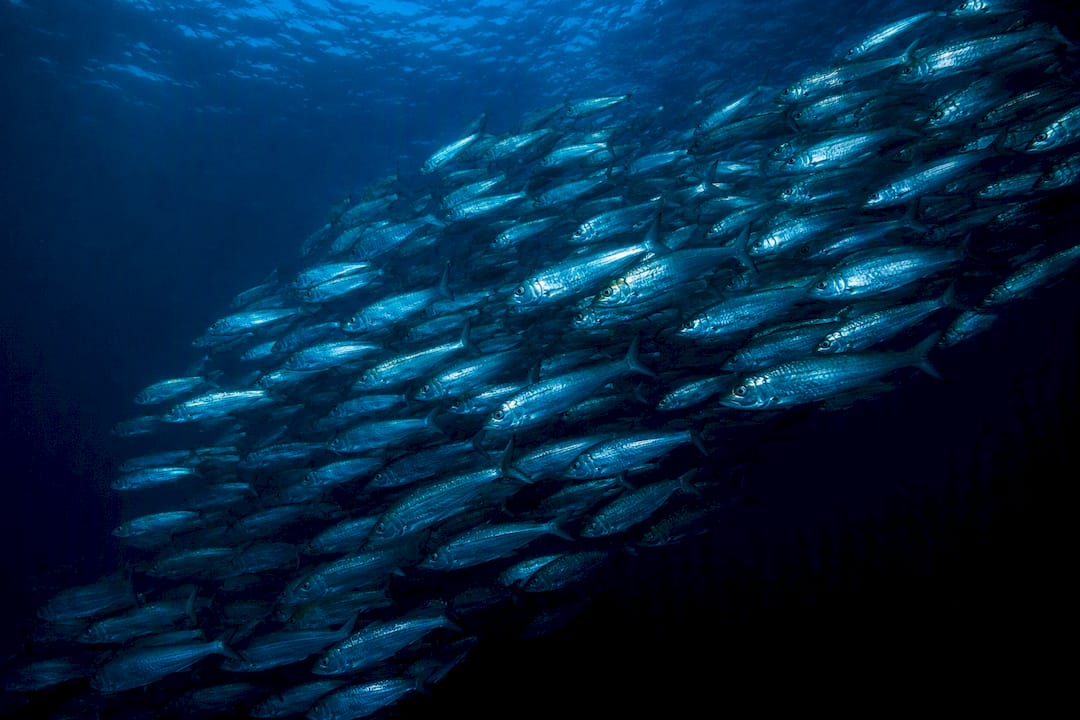
Here's the detail most first-time visitors miss: the whales aren't necessarily in Tromsø's backyard anymore. Since roughly 2017, the feeding grounds have shifted north to the Skjervøy and Kvænangen area, and that relocation changes the entire shape of a tour day.
Why the move happened: herring migration patterns aren't fixed. The fish shift their overwintering grounds based on factors that aren't fully predictable from year to year, and the whales simply go where the food is. A decade ago, sightings closer to Tromsø's own fjords were more common. Today, most reliable action happens well north of the city.
What that means practically:
- Tours frequently involve 2 to 3 hours of transit, either by boat or by a combined bus and boat transfer, before you reach water where whales are actually present, similar to how Kona Whale Watching on the Body Glove Hawaii Catamaran structures their full-day boat safaris.
- Some operators run direct boat departures from Tromsø harbor that simply absorb the longer travel time into a full-day itinerary.
- Others transfer guests by bus to Skjervøy first, then board a smaller vessel from there, cutting open-water transit time but adding road time instead.
The distance matters because it changes what "a whale tour" even means logistically. This isn't a two-hour harbor excursion anymore. It's closer to a day expedition, and understanding that up front helps you plan the rest of your day, and your energy, accordingly.
What Tour Options Exist, and How Long Do They Actually Take?
Because of that northward shift, tour length varies more than most visitors expect. Two main formats dominate the market right now:
- Direct boat departures from Tromsø typically run 6 to 8 hours, covering the transit north, time on the water searching for and observing whales, and the return trip.
- Combined bus-plus-boat itineraries can stretch to roughly 12 hours, since operators sometimes bus guests to Skjervøy first before boarding a smaller vessel, depending on exactly where the whales have been feeding that week.
Departure times cluster around early morning, often between 7:00 AM and 8:00 AM, with meeting points concentrated around Tromsø's harbor area near the city center. Given the transit involved, some operators have shifted to early departures and full-day formats specifically to cover the trip north and back without cutting into actual whale-watching time.
Vessel choice shapes the experience as much as the route does:
- Catamarans generally offer heated indoor lounges, onboard meals, and more shelter from wind and spray, which matters more than you'd think during an Arctic winter day on open water.
- RIBs (rigid inflatable boats) put you closer to the water and often closer to the animals, but with minimal indoor space and more direct exposure to cold and swell.
Comfort versus proximity is a real trade-off worth thinking through before you book, especially if you're prone to seasickness or traveling with kids or older relatives. Weather also plays a role in timing: rough seas or high winds can delay departures or shift a route entirely, so build a little flexibility into your day rather than scheduling something tight immediately afterward.
What Does Daylight Look Like During Polar Night, and How Do You Photograph Whales in It?
Polar Night runs roughly from November 27 through January 15, and it does not mean total darkness. A usable midday "blue hour" provides several hours of soft, workable light even at the darkest point of the season, typically peaking somewhere around late morning to early afternoon depending on the exact date.
That light window is actually a photographer's advantage rather than a limitation. The low sun angle produces long, soft shadows, deep blue and violet sky tones, and strong contrast between dark water and snow-covered coastline, conditions that flatter a breaching whale far more than flat midday sun would in summer. Contrasty silhouettes and colored skies reward photographers who plan for shorter, higher-ISO exposures and steady shooting technique.
Practical tips for shooting from a moving boat in low light:
- Push your ISO higher than you're used to (800 to 3200 is common) to keep shutter speeds fast enough to freeze a breach or tail slap.
- Use a fast shutter, ideally 1/1000 second or faster, since boat movement and whale motion both work against you.
- Skip the tripod. A monopod or simply bracing your elbows against the rail works better on a rocking deck.
- Keep a lens cloth handy. Sea spray on a lens ruins more shots than bad light ever does.
Pro Tip: Wear gloves you can actually shoot in, thin liner gloves under mittens work well, since fumbling with settings while wearing thick Arctic mitts is how most people miss the shot entirely.
How Do You Choose and Book the Right Tour?
Before you hand over a payment, run through a short list of questions. The answers separate a well-run operation from one that'll leave you cold, confused, or disappointed.
- How long is the tour, door to door? Get a real number, not a range, since 6 hours and 12 hours require very different planning.
- Does the route involve a bus transfer, a direct boat, or both? This affects comfort, cost, and how much time you'll actually spend near whales.
- What's the group size and vessel type? A packed RIB feels very different from a smaller group on a catamaran with indoor seating.
- What happens if no whales are sighted?
That last question matters more than most travelers realize. Many operators state clearly that sightings aren't guaranteed and offer a rebooking option, sometimes called a "whale pass," rather than a cash refund if the trip comes back empty. That's standard practice in this industry, not a red flag, but you want to know the specific terms before you pay:
- Is rebooking free, and how many days does it typically extend?
- Does the pass apply only within the current season, or can it roll into the following year?
- Are weather cancellations handled differently from no-sighting outcomes?
On timing, booking early in the peak window and keeping your schedule flexible improves your odds meaningfully, since a rigid one-day itinerary leaves no room to shift around weather or a slow whale day.
What Should You Pack, and What Safety Basics Matter?
Layering beats any single heavy coat. Start with a moisture-wicking base layer, add fleece or wool insulation, and finish with a waterproof, windproof outer shell, ideally one the tour operator provides or recommends. Waterproof boots with good grip matter more on a wet, moving deck than they do on land.
- Take seasickness medication before boarding, not after you start feeling queasy.
- Pack any personal medication in a carry bag you keep on you, not in checked luggage or a cabin below deck.
- Bring snacks and a refillable water bottle, since long tours don't always include full meals.
- Keep your phone and camera batteries in an inside pocket. Cold drains lithium batteries fast.
- Ask about accessibility if mobility is a concern. Boarding ramps and deck layouts vary a lot between vessels.
Pro Tip: Stick a couple of chemical hand warmers in your jacket pocket before you leave the hotel. Cheap, small, and genuinely useful after two hours standing on an open deck.
Why Do Sightings Vary, and What Happens If You Don't See Whales?
Sightings vary because herring don't sit still, and neither do the whales chasing them. A pod that was feeding in one fjord arm on Tuesday can move on by Thursday, and weather adds another layer of unpredictability on top of that. No operator can promise a specific animal will show up on a specific day, and any that claims otherwise isn't being straight with you.
What good operators do instead on a quiet day:
- Point out seabirds, seals, and coastal scenery along the route, since the trip north passes through genuinely striking fjord landscape regardless of whale activity.
- Use hydrophones to let guests listen for orca calls even when nothing's visible at the surface.
- Offer the rebooking policy mentioned earlier rather than sending you home with nothing.
The single best move you can make to improve your odds is staying in Tromsø for more than one day and booking a tour with real flexibility built in, rather than trying to squeeze whale watching into a single afternoon between flights.
Crystal Sky Venture's Approach to Arctic Wildlife
Some operators build trips around small groups and local guides who know these waters personally, not a script. That matters most on a day when the whales have moved: a guide who reads conditions in real time can adjust the plan instead of running a fixed route regardless of where the animals actually are.
A private, bespoke expedition also cuts down on wasted time. Instead of a fixed group departure with a set itinerary, timing flexes around actual whale reports and weather, which tends to mean more time near animals and less time sitting through someone else's schedule. Sustainability is built into how these tours run, from group size to how routes are chosen, reflecting a broader commitment to minimal environmental impact across every trip Crystal Sky Venture runs.
Understanding Whale-Watching Guarantees and Rebooking Policies
No reputable operator can promise you'll see a whale. Wild animals don't work on a schedule, and any tour selling an absolute guarantee is overselling what's realistically possible. What responsible operators offer instead is a fallback if the day comes up empty.
The industry standard is some version of a "whale pass," a rebooking credit that lets you join another departure at no extra cost if your original trip doesn't produce a sighting. This differs meaningfully from a straight refund policy, and the distinction matters when you're deciding between operators.
Before booking, get clear answers on a few specifics:
- Does the rebooking window cover just a few days, or does it extend across the rest of the season?
- What counts as a "no sighting"? A distant blow at the horizon might count differently from operator to operator.
- How does the policy handle a full cancellation due to weather versus a completed trip that simply didn't spot whales?
Cancellations for genuinely dangerous conditions, heavy seas or severe wind, are usually handled separately from the whale pass, typically with a full refund or a straightforward rescheduling. Read the fine print on both scenarios before you pay, and don't be shy about emailing an operator directly if their policy page leaves questions unanswered. A clear, specific answer to a direct question tells you a lot about how the company handles the rest of its logistics too.
A Guide's Perspective: Reading the Water During Whale Season
Ask any experienced local guide what drives their decisions on a whale tour, and animal welfare comes before anything else, including keeping a tight schedule. Good guides watch how a pod is behaving, feeding calmly versus actively traveling, before deciding whether to approach, hold distance, or move on entirely.
Guides also read conditions the water itself provides: bird activity overhead, current lines, the way herring balls compress near the surface. When those signs point somewhere better, plans change mid-trip, even if that means cutting one stop short to reach a stronger opportunity elsewhere. The best guides tell guests exactly why a plan shifted, rather than leaving people guessing. That honesty, more than any fixed itinerary, is what separates a trip that feels managed from one that feels genuinely responsive to what the whales are actually doing.
— Crystal Sky Venture
Planning a Whale-Season Trip? Here's a More Flexible Way to Do It
Group tours often run on fixed schedules built around a bus timetable, not around where the whales actually are that week. Some operators offer private pickup from accommodations, timing that flexes around real-time whale reports and weather, and guides who can adjust the route on the spot instead of following a fixed script.
A bespoke expedition also means more room to prioritize photography, extra time positioned for the light instead of rushing to the next stop on someone else's list. If you're weighing a fjord-focused wildlife day, the private Arctic fjord expedition is built around exactly this kind of flexible, small-group approach. Traveling during Polar Night and want to pair whale season with the aurora? The private Northern Lights tour with an Aurora Guarantee covers that half of the trip with the same guide-led, small-group model.
If your dates or interests don't fit a fixed package, reach out about a custom Arctic itinerary and Crystal Sky Venture will build the day around what you actually want to see.
Sources
- Whale watching in Tromsø | Visit Tromso
- Facts about orcas | Whale and Dolphin Conservation (WDC)
- Humpback whale species guide | Whale and Dolphin Conservation (WDC)